
What a Soil Scientist Learned at Sustainable Fashion Week Chicago
I study what land gives to make materials possible and what it receives when those materials are done. That puts me at an unusual angle on most sustainability conversations — including fashion. Macaila Britton and Sophia Corning organized Sustainable Fashion Week Chicago last month, culminating in a symposium and runway show bringing together designers, nonprofit leaders, entrepreneurs, and stylists working on sustainable fashion in the Chicago area. I went to see where my work fits into this conversation. Here's what I found.
The numbers that set the stage
Before the speakers started, the event framed the local problem plainly. According to research by Sustainable Fashion Week Chicago, textile waste makes up 4.6% of Chicago's local waste system. Roughly 874,000 tons of clothing end up in Illinois landfills every year — equivalent to nearly four Willis Towers stacked in fabric. Illinois currently has 37 active landfills and ranks third in the country for trash output per capita, 42.7% above the national average.
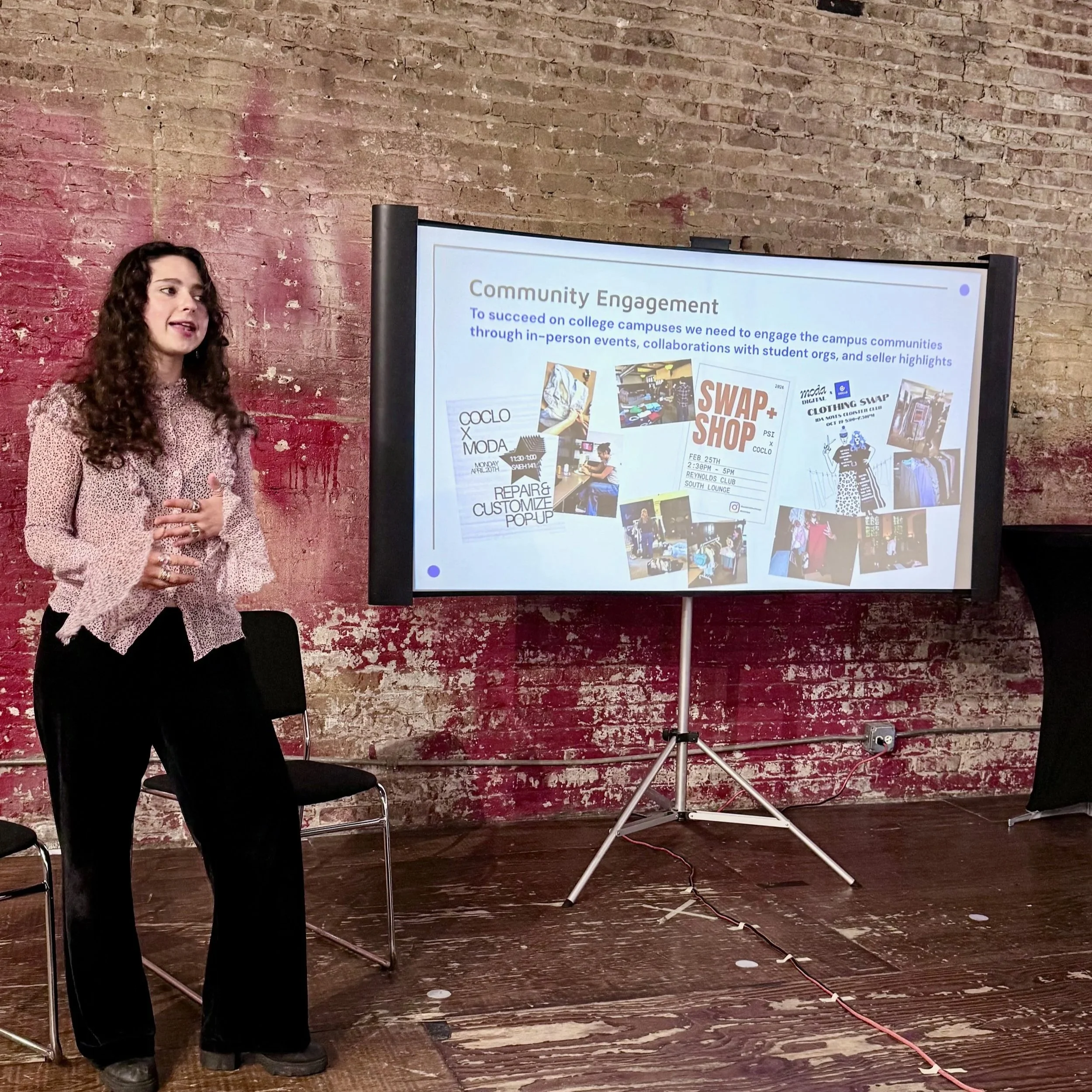
Samara Blatt, Coclo — closing the loop on campus
Samara Blatt is a third-year at the University of Chicago and CSO of Coclo, a secondhand fashion marketplace built specifically for college students. The premise is simple and smart: you sign up with your .edu email, and you can only buy and sell within your campus community. No shipping, strangers, or scams. Average item price: $13.
What Samara understood that most resale platforms miss is that college fashion needs are niche and temporary. Students need clothes for events that don't exist outside university life, then graduate and leave those clothes behind. Coclo builds a resale loop scaled to that reality. The CO2 savings tracker built into the app, showing users the environmental equivalent of each transaction, is a small feature that does real behavioral work.
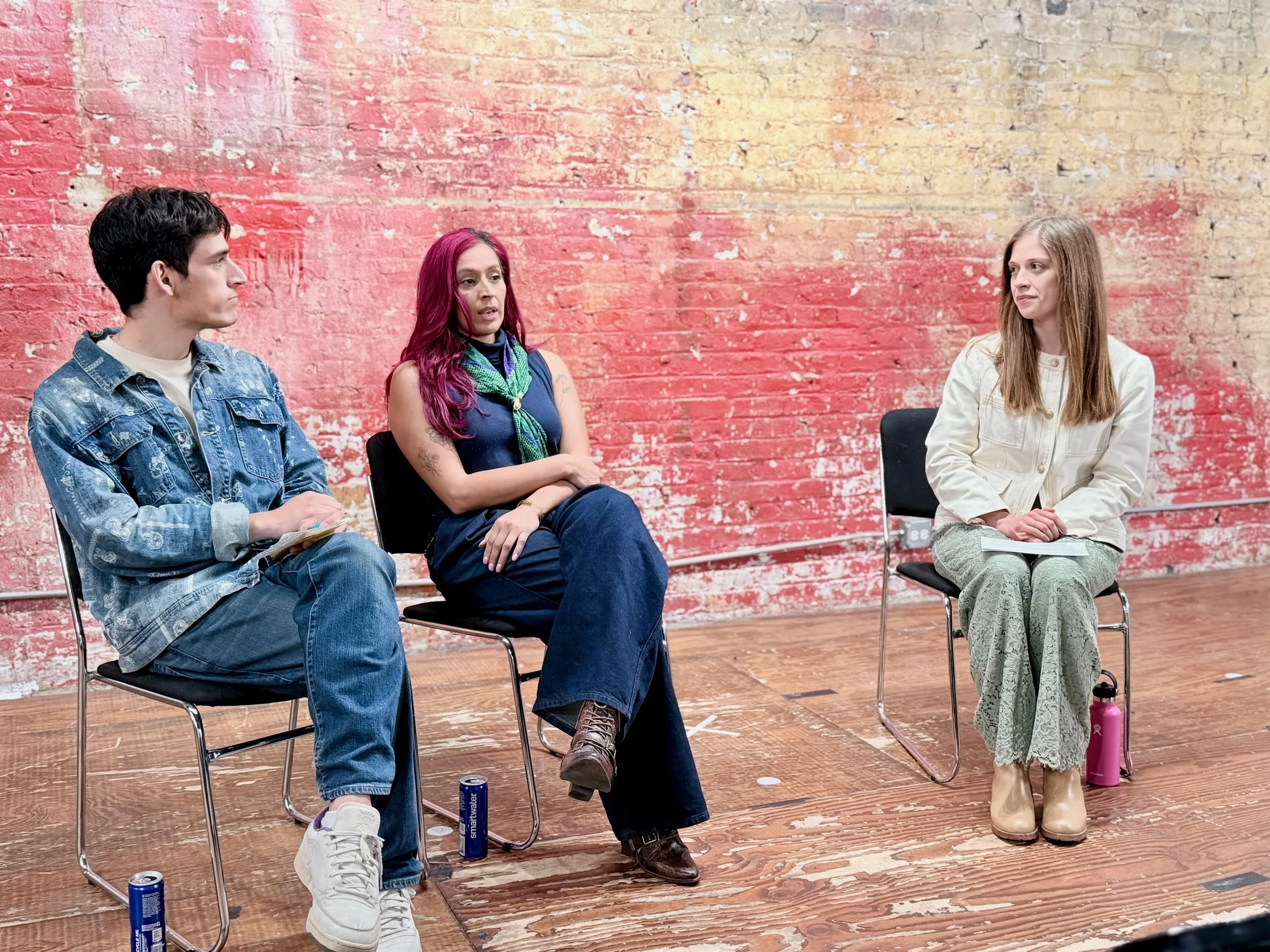
Mireya Fouché, Monarch Thrift Shop — volume is not the victory
11 years old, 4,000 sq ft, 50,000+ tons of donated clothing per year, plus an on-site job training program. Mireya has already ended one partnership with a textile recycler whose practices didn't hold up and is cautious about the current one. Her standard: can you tell me where this material goes and how far down the lifecycle can you trace it? Recycling is often a destination label, not a process guarantee.
Dani Salazar, MESA Chicago — the free store and the hard truth
MESA Chicago gives everything away for free, serving immigrant communities on the South Side. Dani was direct about what happens to donated clothing that can't be distributed locally: it gets exported to the Global South, piles up on beaches in Ghana, and burns. The smoke, the microplastics, the labor burden on communities in Accra's Kantamanto market — that's where the chain actually ends. As a soil scientist, that's the part of this conversation I find most underdiscussed. For a significant portion of donated clothing, the end point is someone else's ground.
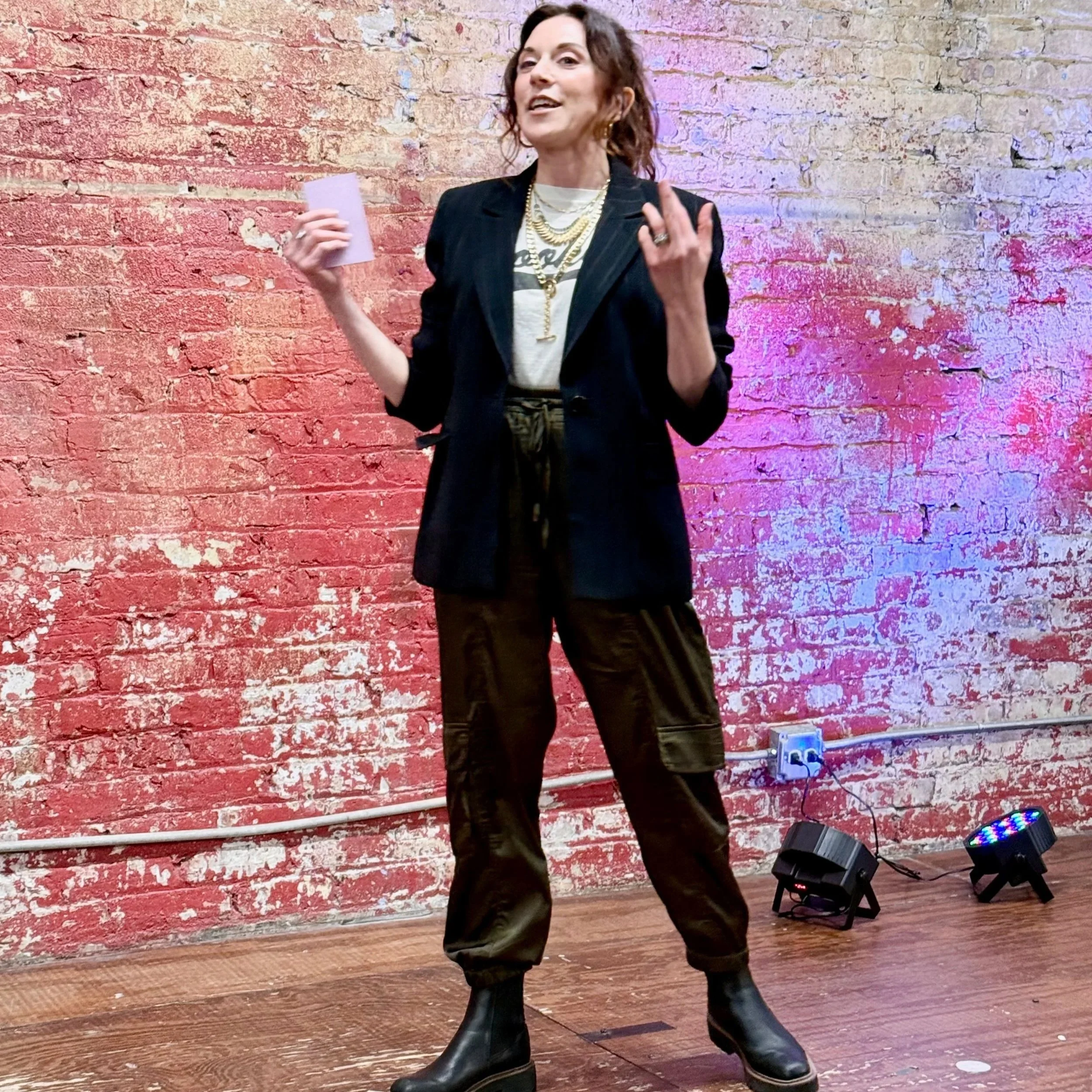
Jodi Doyle, Uplevel Redesign — 645 days and a reframe
Jodi is a wardrobe stylist who hasn't bought anything new in 645 days. She didn't arrive at that by ideology — she arrived at it through clarity. Her argument: most people have a shopping problem that is actually a clarity problem. They don't know what's for them, so they keep acquiring things in search of it. A personal stylist — or sustained time in your own closet — teaches you what works for your body, your life, your energy. Once you know that, the urge to keep buying loses its grip.
What I found useful about Jodi's framing is that it removes the moral weight from sustainable consumption and replaces it with a practical one. You're not buying less because you should. You're buying less because you finally know what you actually want.
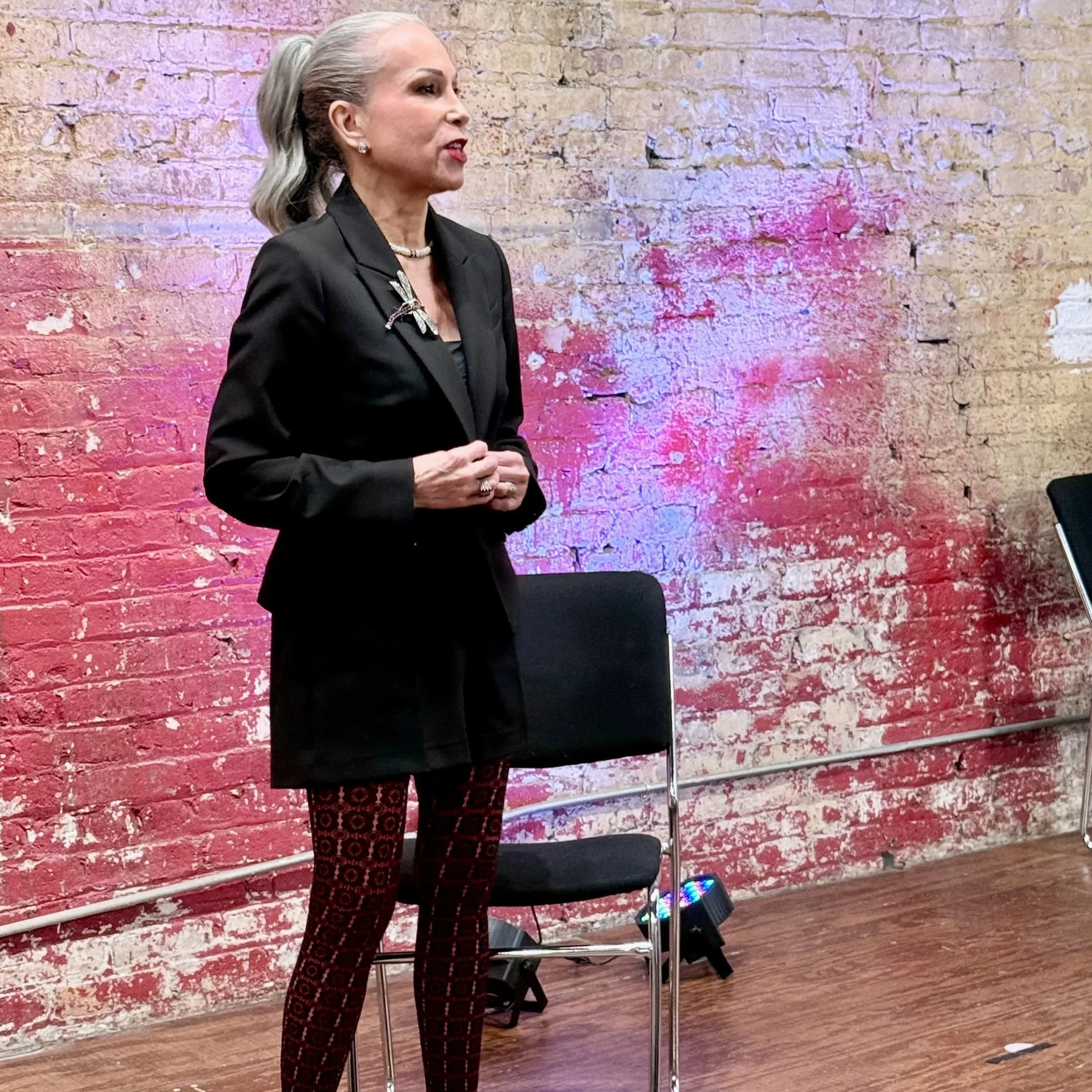
Theodora Krochman, Teddi Loves Fashion — age and the double standard
Theodora Krochman started her Instagram platform, Teddi Loves Fashion, three years ago at 69. She's 72 now. Her silver hair grew in during chemotherapy — she had breast cancer shortly after retiring from a 30-year career as a healthcare executive — and she kept it after patients and nurses told her it suited her.
Theodora made an argument that doesn't get made plainly enough: aging women face a double standard in fashion that is genuinely incoherent. Dress boldly and you're told you're not acting your age. Age naturally and you're told you've let yourself go. There is no correct behavior — only criticism in both directions. The solution she's working on is visibility: more women showing what aging actually looks like across a full range of choices, so the expectations have somewhere to land.
The designers — where the ideas became material
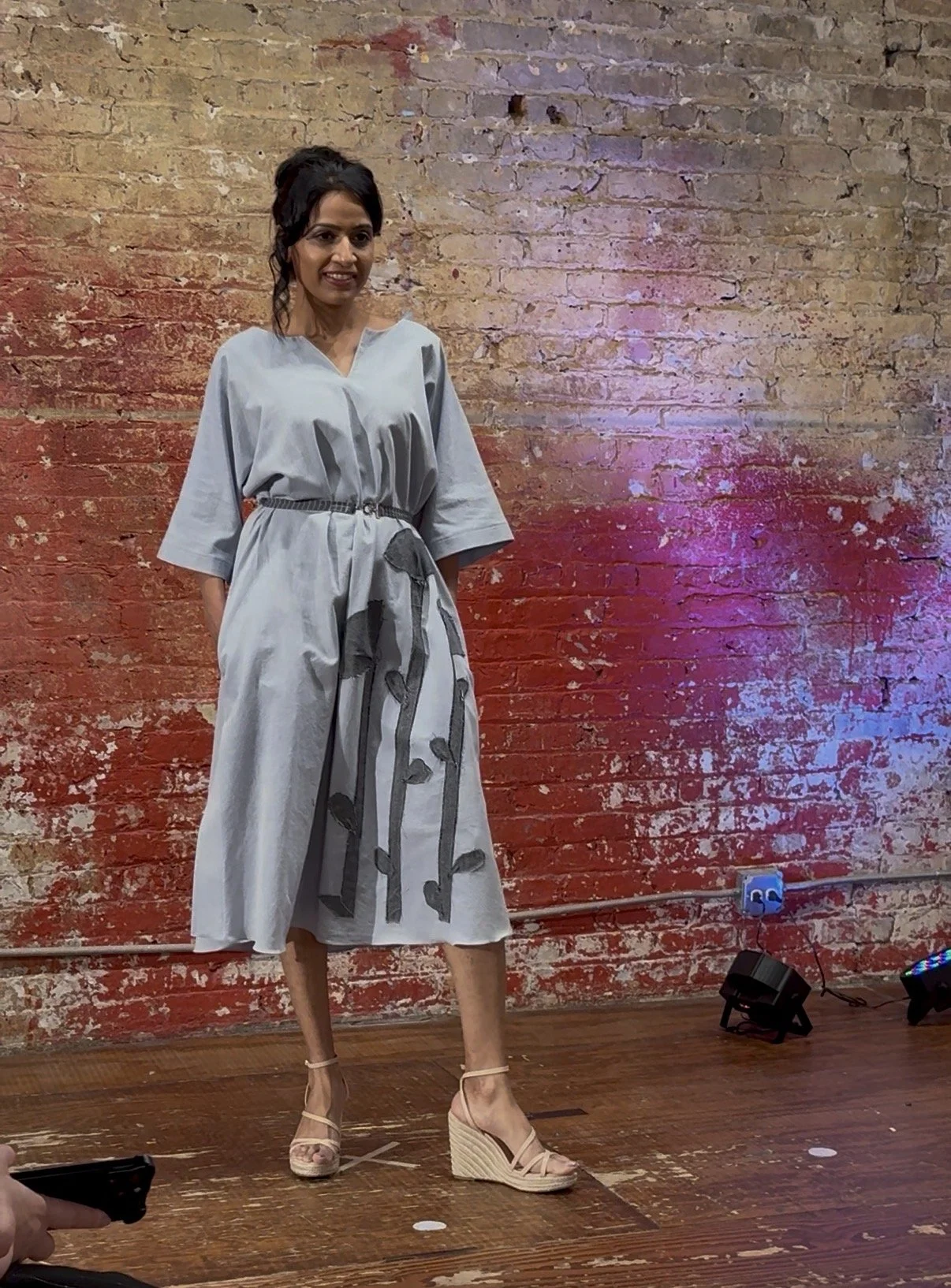
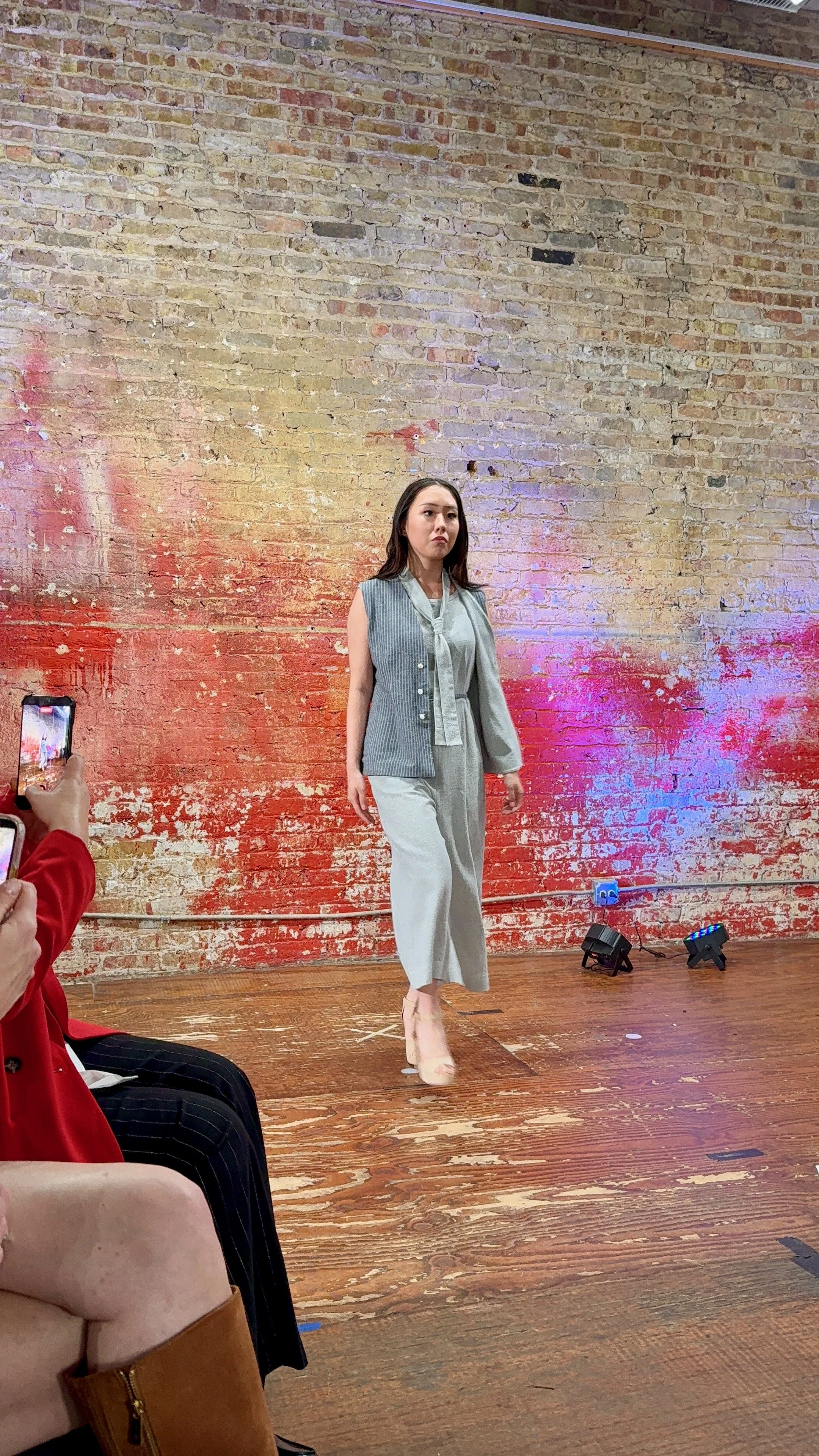
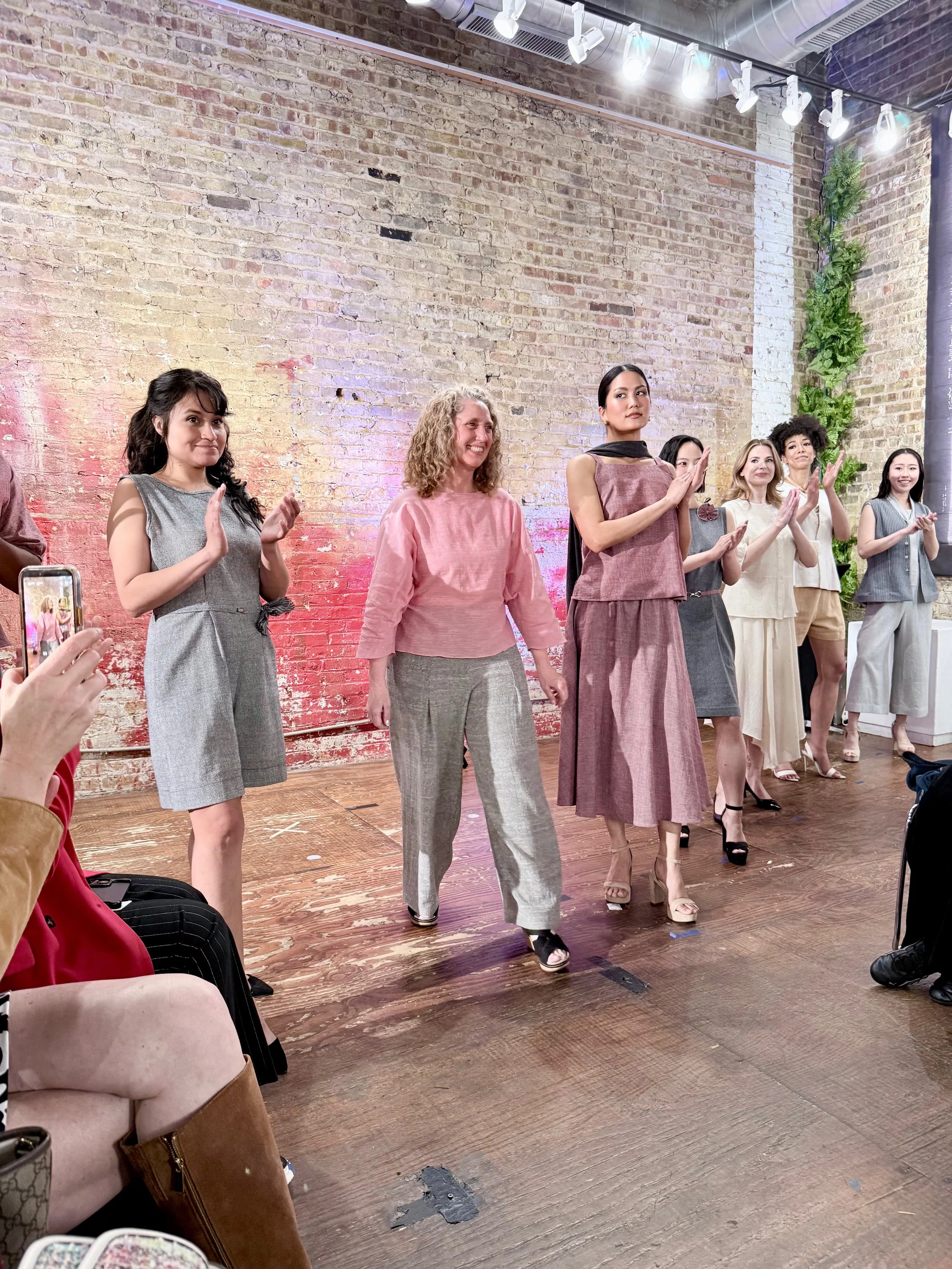
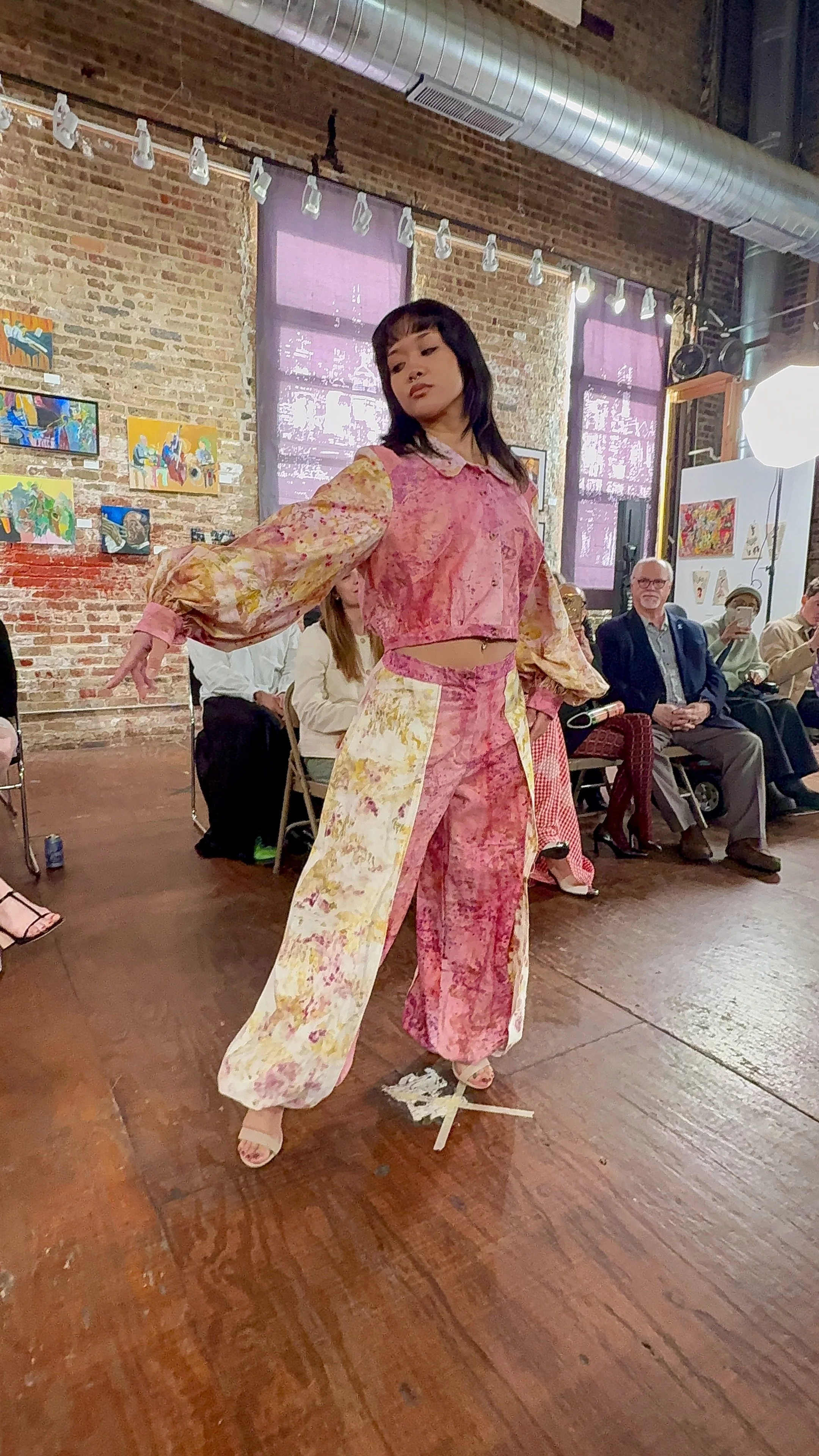
The symposium ended with a runway show. Four designers, all Chicago-based, all working with the same constraint: what do you make, and what do you make it from?
Angela Aeschliman, Aesch Liman Co. designs made-to-order eveningwear and resort collections — produced only when ordered, which eliminates overproduction at the source. Her work is built around structure and longevity, and she collaborates with textile designers, mills, and patternmakers who operate under the same commitment to responsible production.


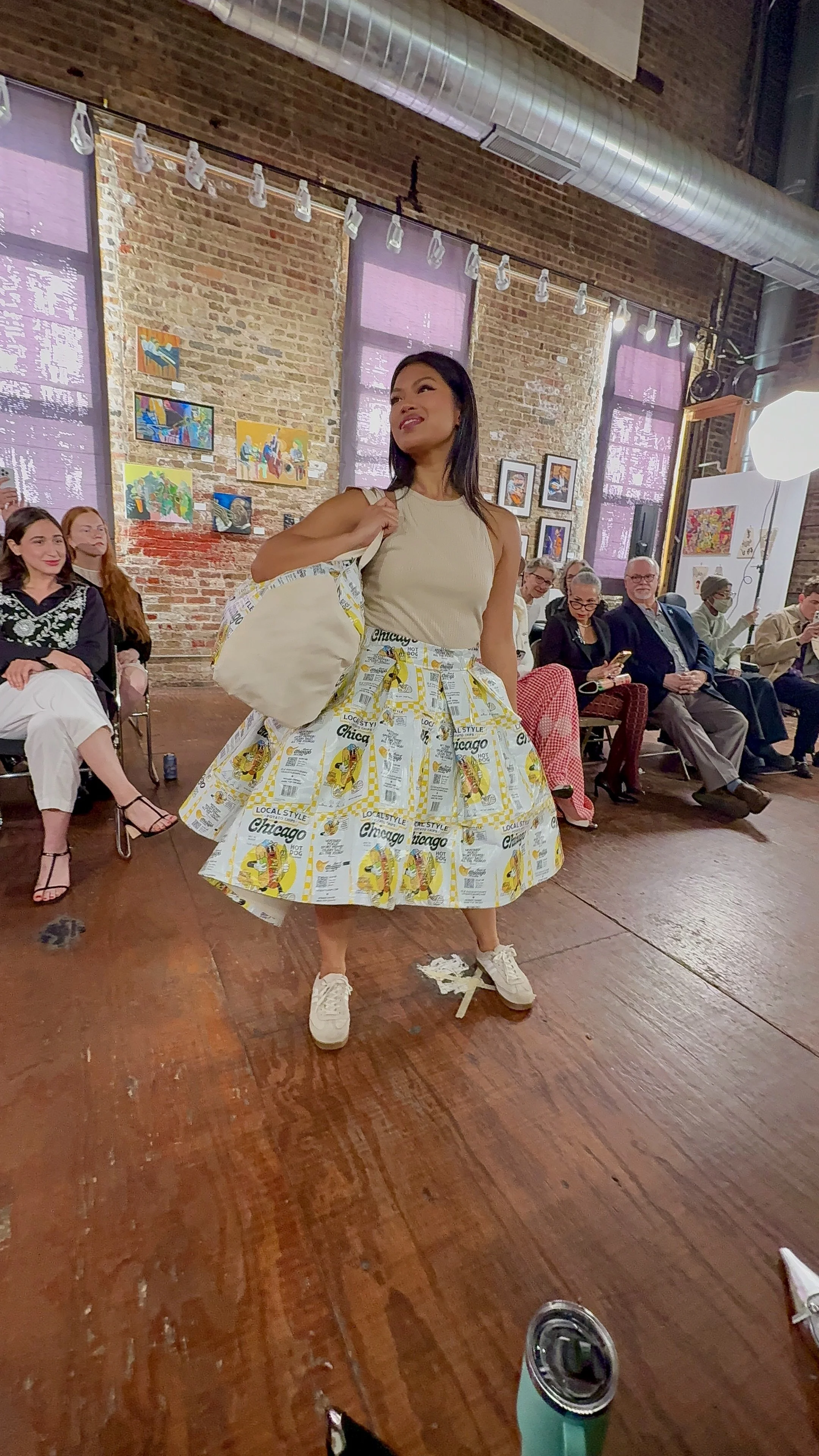
Tukkii Tucker builds couture from recycled potato chip bags. The bags are cut, fused, reinforced, and reconstructed into structured textiles, then assembled using reclaimed muslin remnants, reused zippers, and salvaged closures. He knows exactly what his garments are made of, where each component came from, and what holds it together.

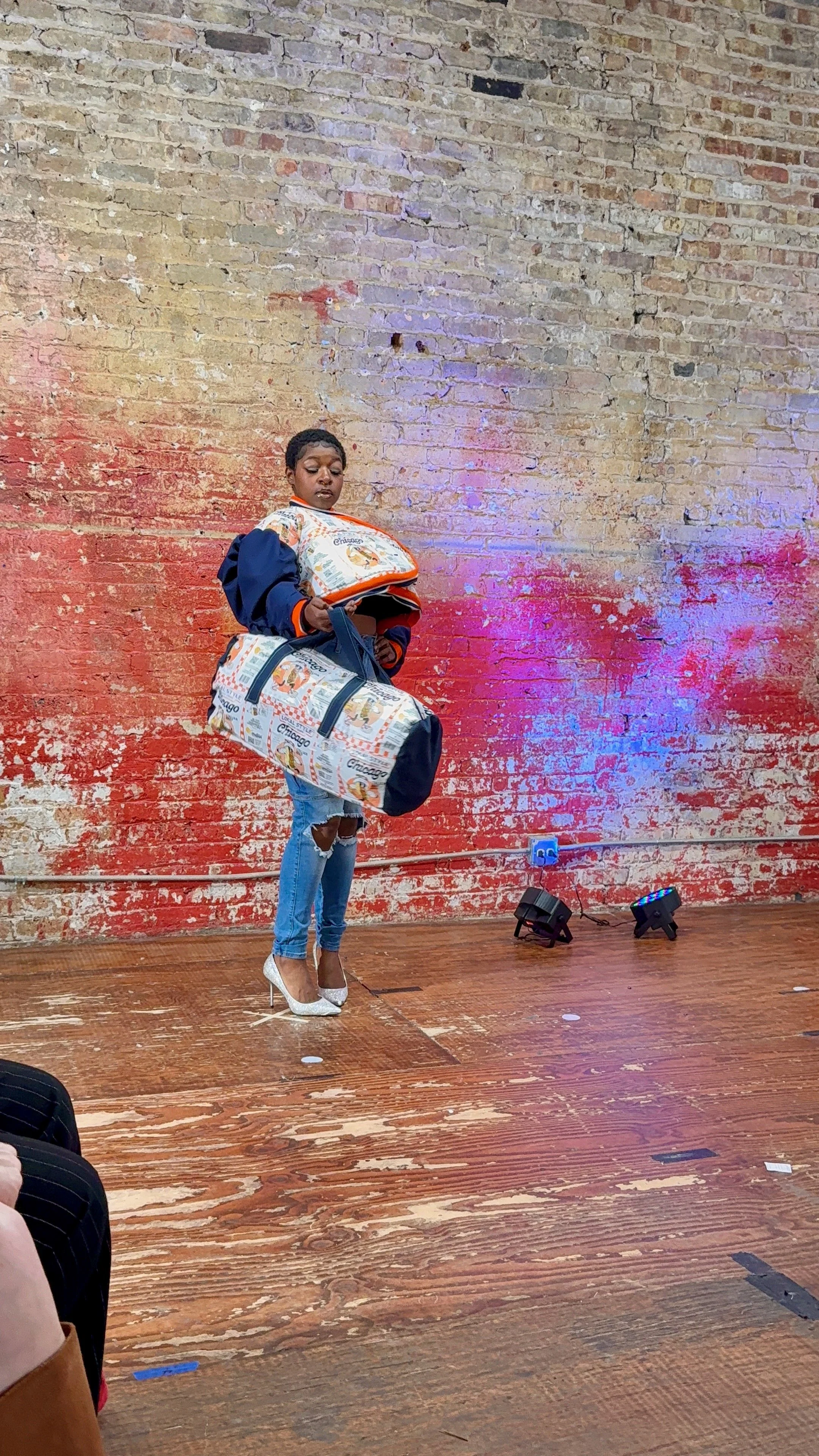
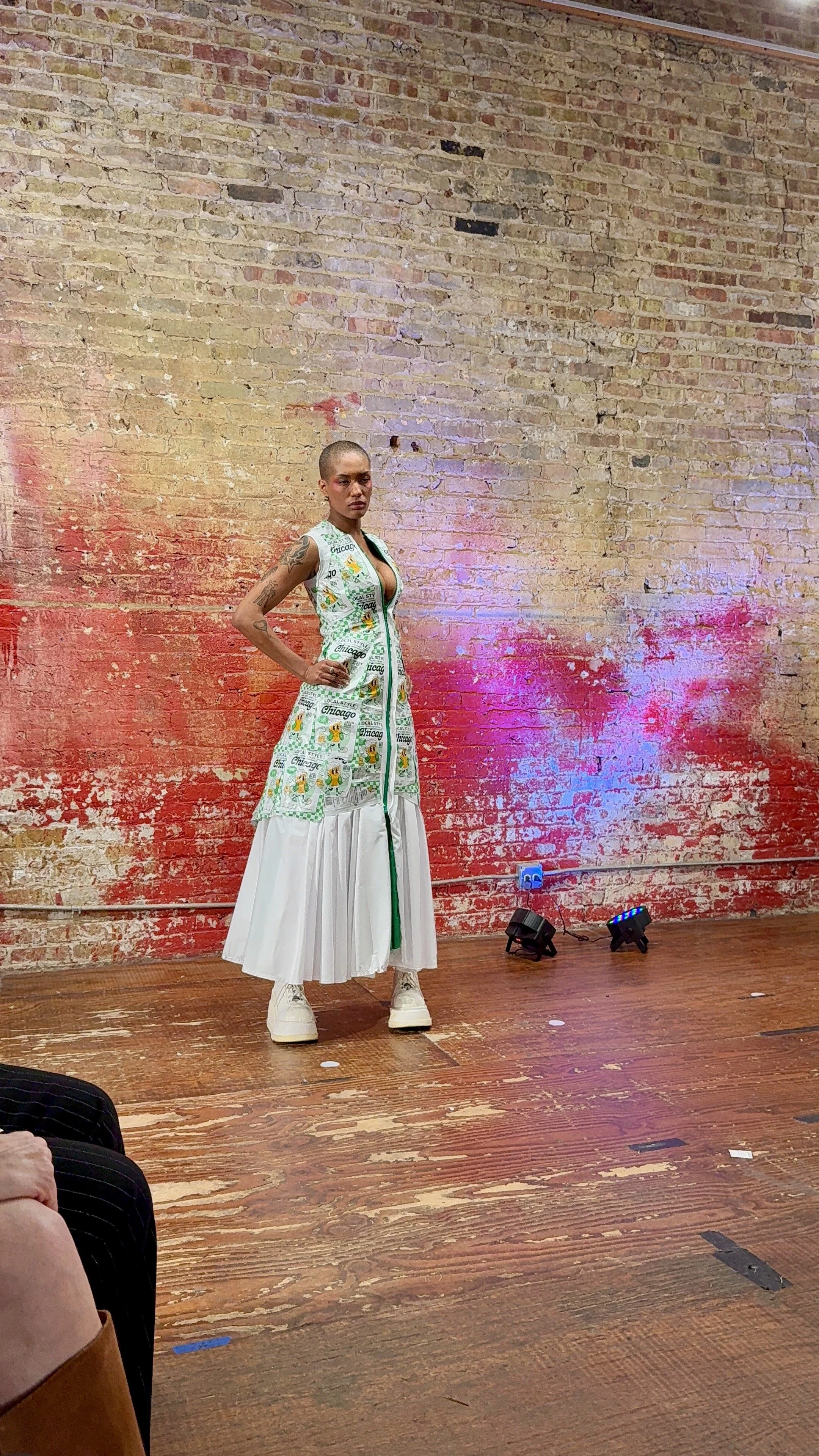
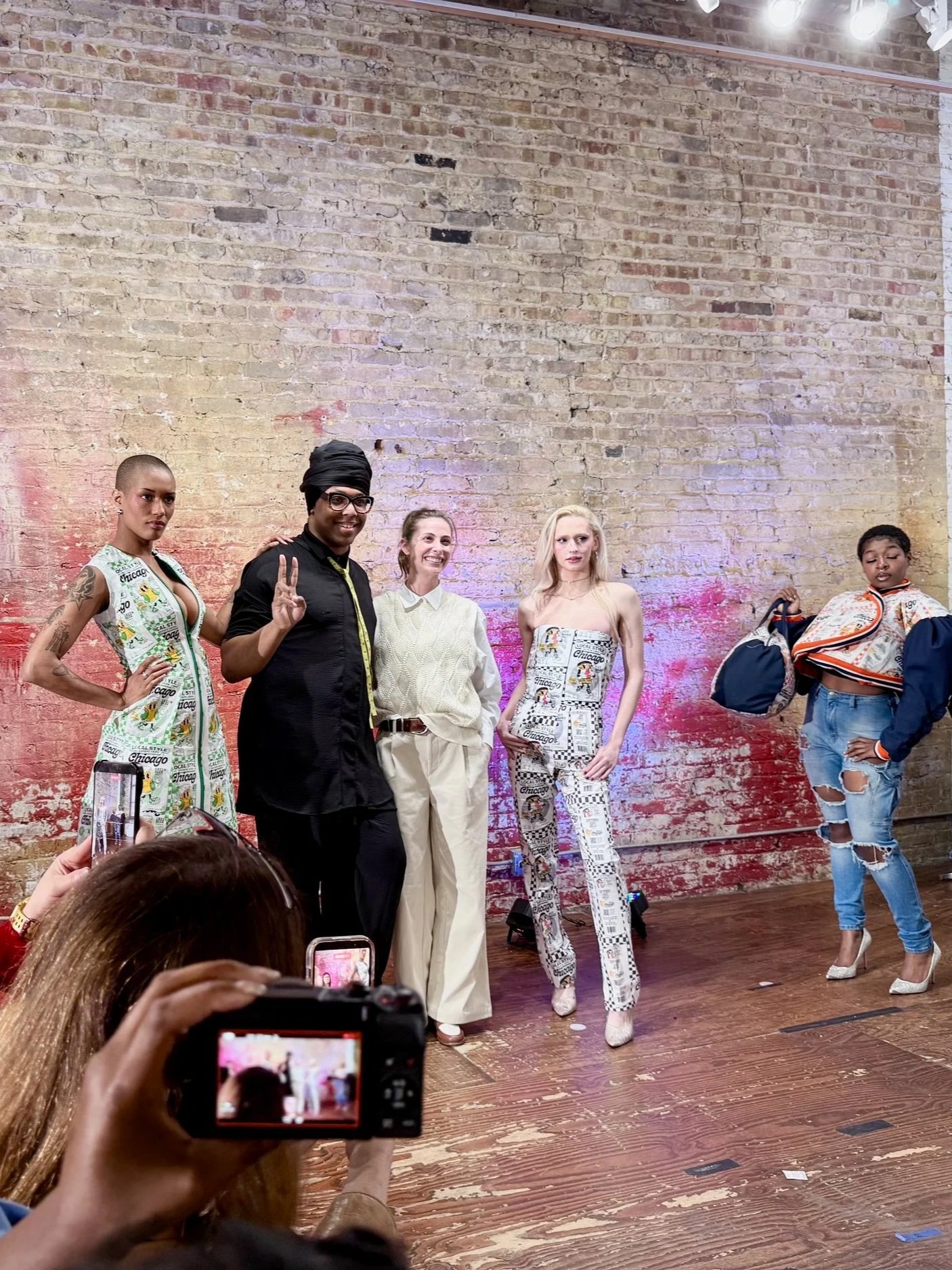
Josh Drews, Arthouse works entirely in reclaimed fabric. Every piece is one of a kind because the source material is one of a kind — once a textile is used, the exact combination can't be replicated. Arthouse produces across a range of silhouettes, from streetwear to high fashion, all from materials that already existed. The design process starts with what's available, not with what's ideal.
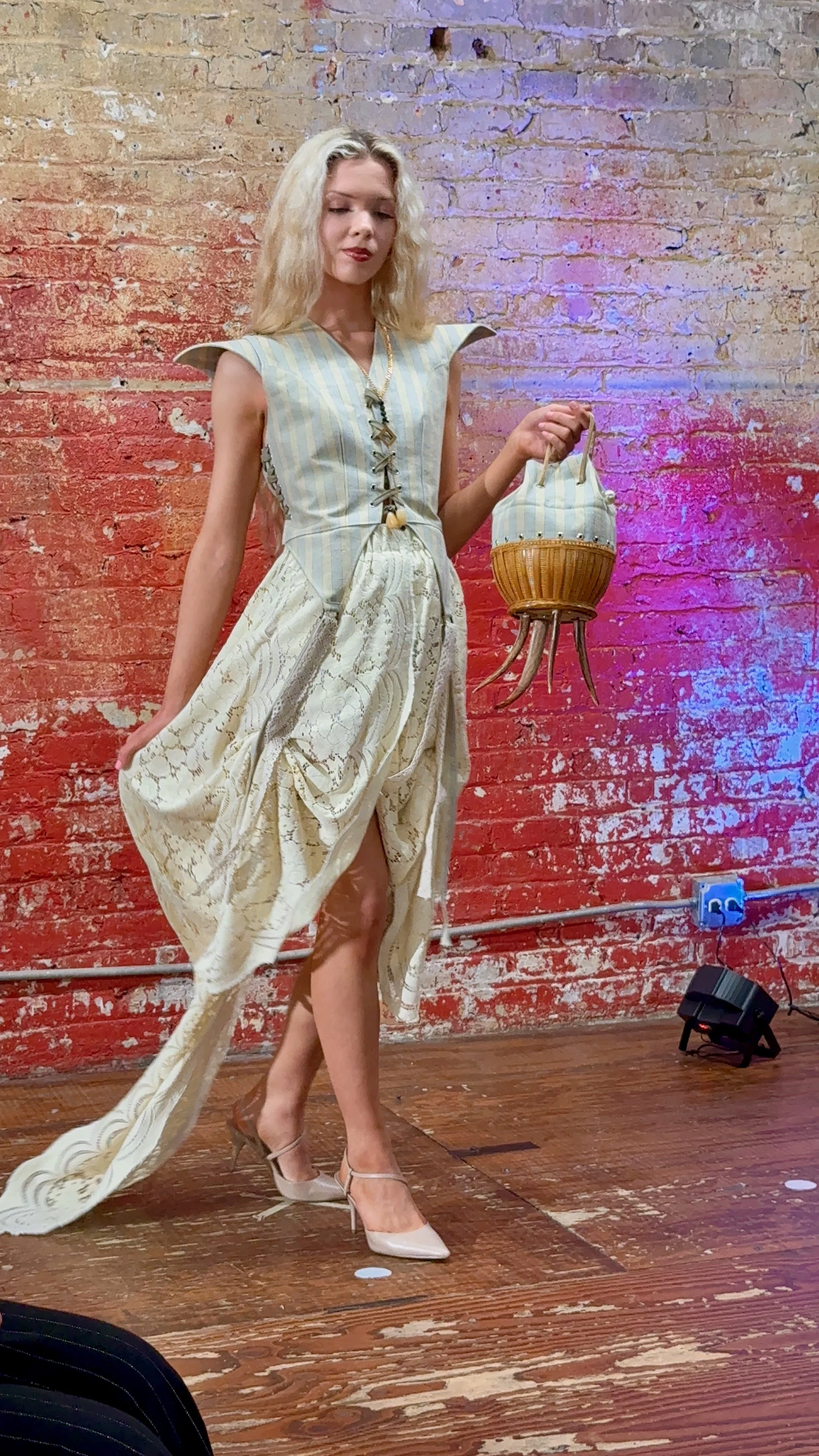
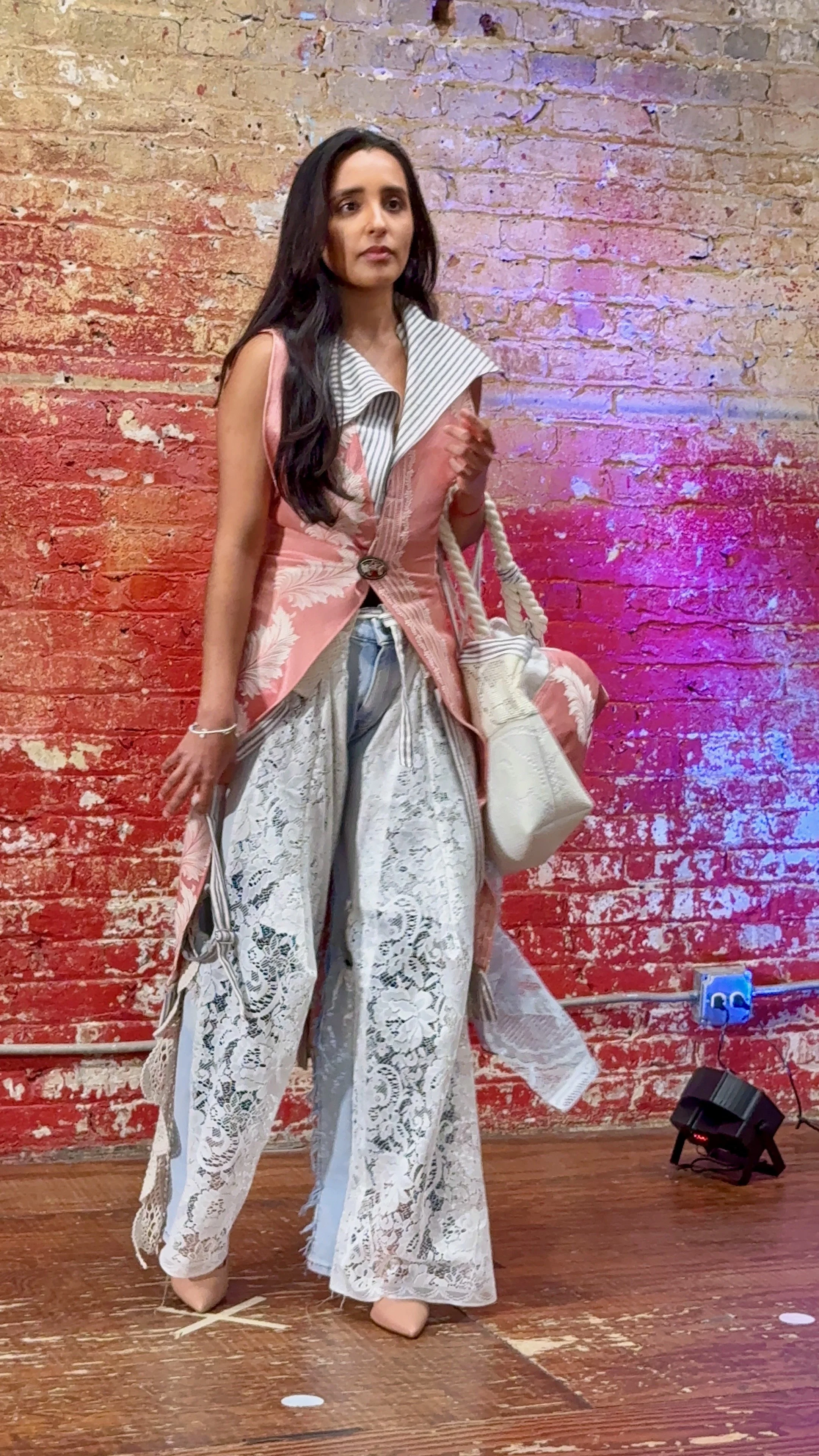
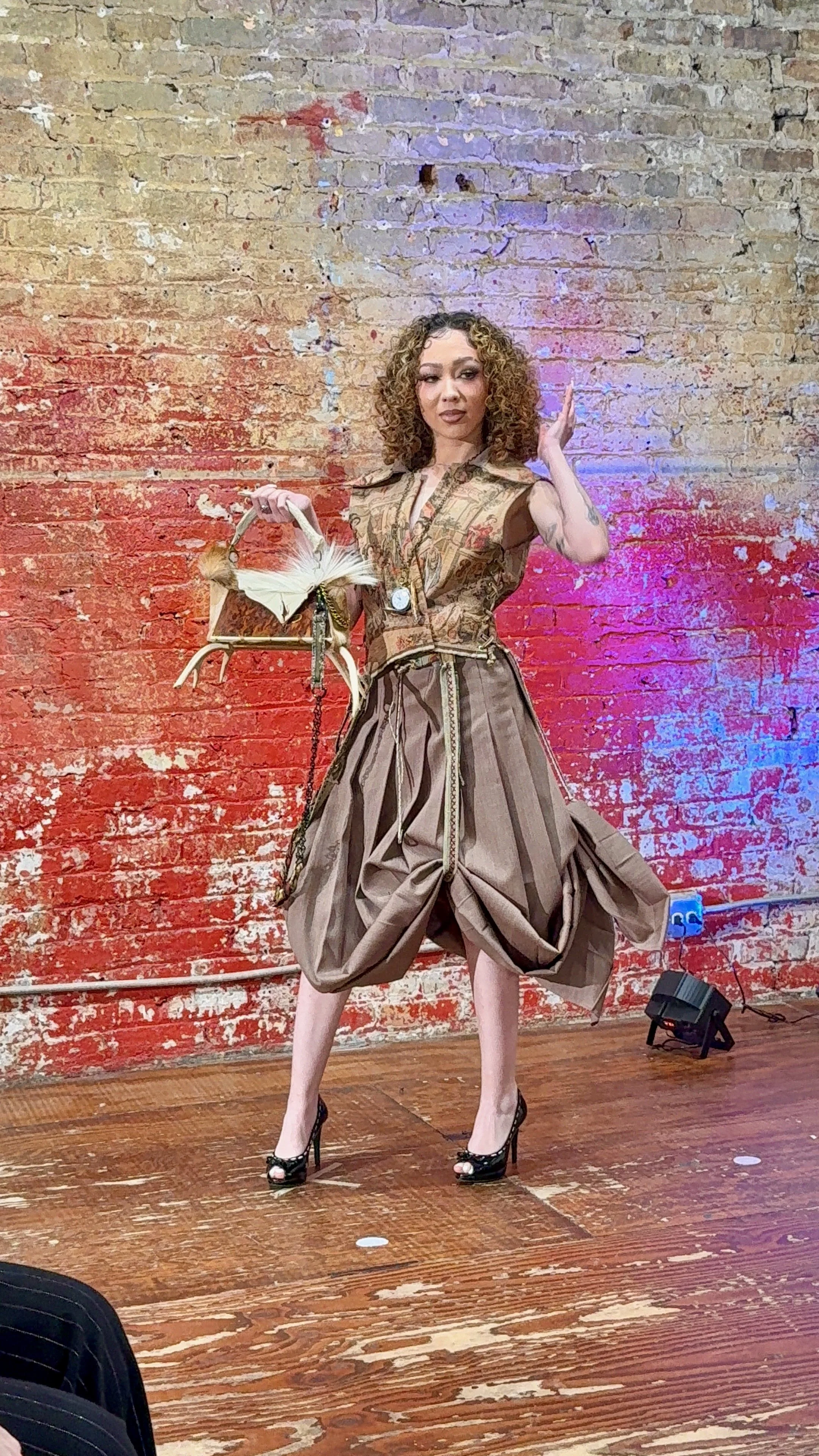

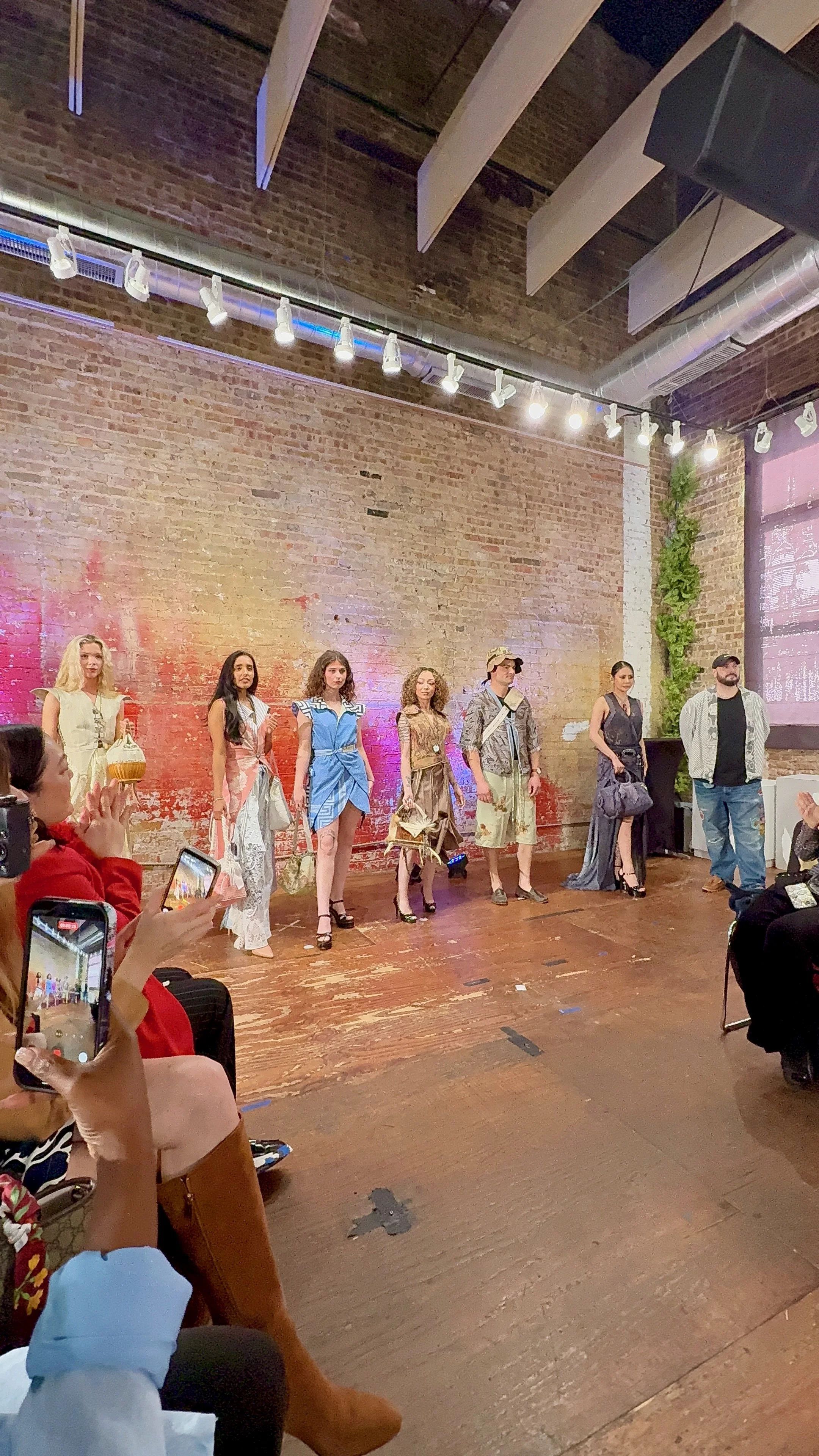
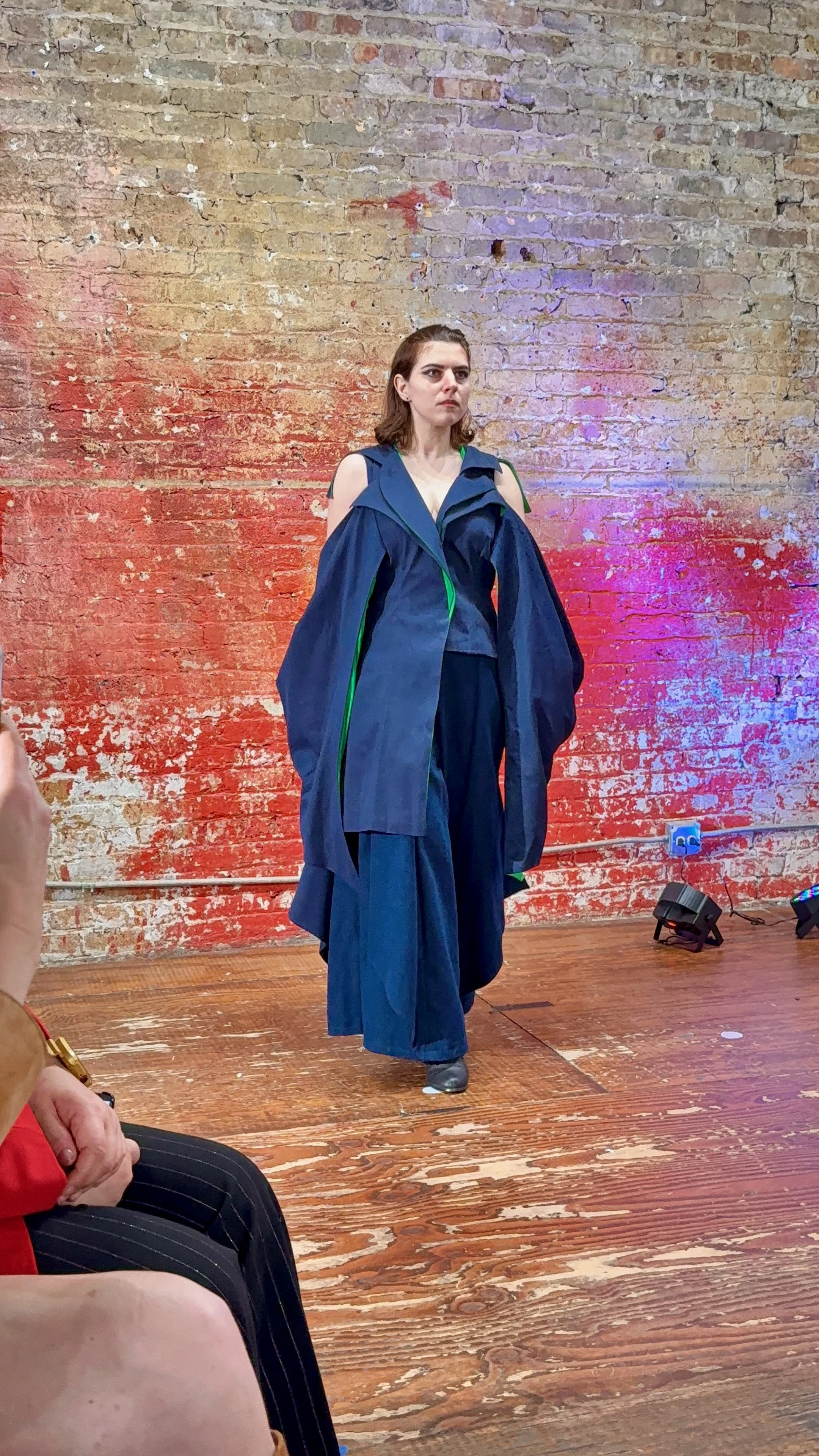
Patricia Quill works in sculptural form and expressive silhouettes, using a resourceful approach to materials that challenges conventional garment construction. Her garments that asked questions about shape and movement as much as about sustainability.



What I took away
Just the State of Illinois puts 874 thousand tons of clothing into landfills every year. That fiber came from somewhere. It grew in soil, used water, required chemistry, shaped land. And when it's done — when it burns on a beach in Accra or breaks down in a landfill in Cook County — it returns to earth in some form. Learn more
The people in that room are working seriously on the middle of that story. The resale, the redistribution, the access, the mindset. I'm interested in both ends. Before the material exists and after it stops being useful.
I'm a soil scientist writing about where materials come from, where they go, and what the earth gives and receives in between. If this connects to your work, I'd like to hear from you.